


Ever wondered why veneer plywood price can swing wildly from one sheet to the next? Think you’re building a sleek kitchen cabinet or a sturdy outdoor deck, and suddenly your budget doubles because of a seemingly small detail like thickness or grade. It’s frustrating, right? As a homeowner or DIY enthusiast, understanding these factors isn’t just smart, it’s your ticket to smarter purchases without overpaying. In this post, we’ll break it down simply, exploring how thickness and grade drive veneer plywood price, and why Marcoply stands out as the reliable choice with various veneer plywood options with waterproofing, termite resistance, and rock-solid stability.
What Makes Veneer Plywood Special?
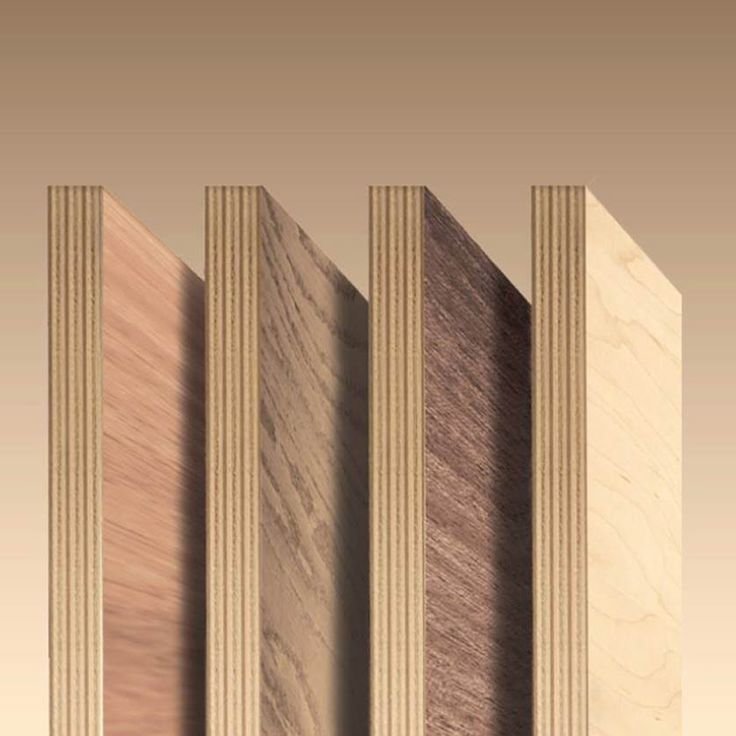
Veneer plywood starts with thin wood layers called veneers, stacked together like a high-tech sandwich. To create continuous veneers, the conditioned log is sliced or rotary-peeled on a lathe. These sheets are trimmed, arranged according to quality and thickness, and sorted. (The visible exterior layers of face veneers, such as Okoume or Gurjan, are separated.)
Adhesives are the glue (pun intended) holding it all together. Interior MR (Moisture Resistant) plywood uses urea-based glues, ideal for humid indoor spots like kitchens. For tougher jobs, BWR (Boiling Water Resistant) or exterior plywood relies on phenolic resins, which laugh off water exposure. These basics set the stage for why price varies so much.
Thickness: The Heavy Hitter in Pricing
Thickness is often the first spec shoppers notice, and it directly punches veneer plywood price. Measured in millimeters (mm), it ranges from slim 3mm sheets for decorative panels to beefy 25mm+ for heavy-duty construction.
Thinner sheets (like 6mm or 9mm) cost less—think ₹50-₹80 per sq ft—because they use fewer veneers and less material. They’re great for lightweight cabinets or wall paneling where strength isn’t paramount. But step up to 12mm or 18mm, and prices climb to ₹100-₹150 per sq ft. Why? More layers mean more wood, glue, and manufacturing time.
For example, a 18mm sheet might have 13 veneers versus just 5 in a 6mm one, boosting material costs by 50-100%. Data from industry standards shows that every 3mm jump can add 20-30% to the price due to increased density and pressing requirements. Pro tip: Match thickness to your load. Over-speccing wastes money; under-speccing risks failure.
Marcoply nails this with precise thickness options in both MR and BWR grades. Our waterproof BWR sheets in 18mm shine for moisture-prone areas like bathrooms, staying stable without swelling—saving you replacement headaches and keeping costs predictable.
Grade: Quality That Pays Off (or Costs More)
Plywood grades (A, B, C, etc.) rate surface quality, knots, voids, and repairs. Premium A-grade has flawless, smooth faces with minimal defects—ideal for visible finishes like tabletops. It commands top veneer plywood price, often ₹150-₹250 per sq ft for thicker sheets, thanks to select hardwood veneers and extra sanding.
Mid-tier B or BB grades allow small knots or filled patches, dropping prices to ₹90-₹140 per sq ft. They’re workhorses for painted or hidden surfaces. Lower C or CC grades, with more repairs, hit rock-bottom at ₹60-₹90 but suit non-visible structural uses.
Why the premium on high grades? Superior veneers resist peeling, and better cross-lamination ensures longevity. Studies from plywood associations note that A-grade lasts 20-30% longer in humid climates, reducing long-term costs. Example: A BWR A-grade sheet withstands boiling water tests for hours without delaminating, unlike cheaper alternatives.
Marcoply’s grades are engineered for excellence. Our termite-proof MR plywood in A-grade offers smooth, durable surfaces for interiors, while BWR variants add waterproofing for exteriors—both with cross-laminated stability that fights warping.
How Thickness and Grade Team Up to Set Price
It’s rarely just one factor. A 12mm B-grade sheet might run ₹100/sq ft, but upgrade to 18mm A-grade BWR, and you’re at ₹180/sq ft—nearly double. Here’s why:
- Material Intensity: Thicker + higher grade = more premium veneers and adhesive.
- Manufacturing Rigor: Phenolic glues for BWR add 15-25% cost over urea-based MR.
- Performance Perks: Waterproof and termite-proof treatments like in Marcoply, layer on value, hiking price but slashing maintenance.
Real-world math: For a 100 sq ft project, choosing 18mm Marcoply BWR over a basic 12mm CC saves on callbacks. Initial extra spend? Recouped in durability.
Why Choose Marcoply for Your Next Project?
Marcoply simplifies the equation. Their MR plywood, with urea adhesives and termite-proofing, handles indoor humidity beautifully—grains cross-laminated for unbeatable stability. Need outdoor toughness? BWR options use phenolic bonds, making them fully waterproof and boiling-water resistant.
Both lines boast premium grades and thicknesses, balancing veneer plywood price with pro-level qualities like pest resistance and warp-free performance. Whether crafting furniture or framing walls, Marcoply delivers without compromises.
Ready to Build Smarter?
Thickness and grade aren’t mysteries—they’re your levers for controlling veneer plywood price while ensuring quality. Next time you’re shopping, prioritize cross-laminated stability, the right adhesive (MR for inside, BWR for wet zones), and features like waterproofing and termite-proofing.
Grab Marcoply veener sheets for your project and see the difference. What’s your next build? Share in the comments—we’d love to hear how these tips help!